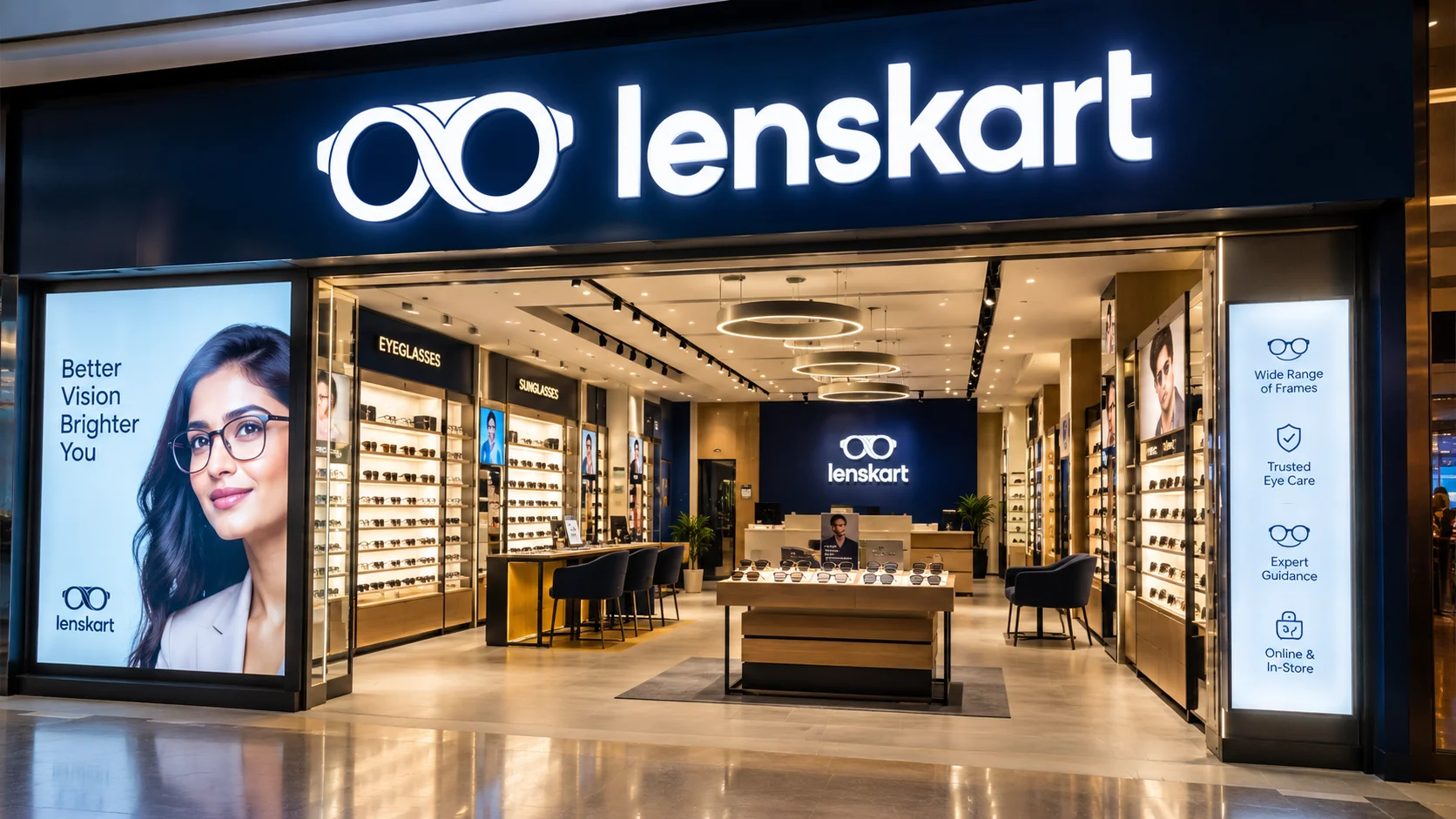
Lenskart reported ₹448 crore in marketing and promotion expenses in FY25, or 6.74% of revenue from operations. This case study examines the role of stores, founder visibility and advertising in its growth.
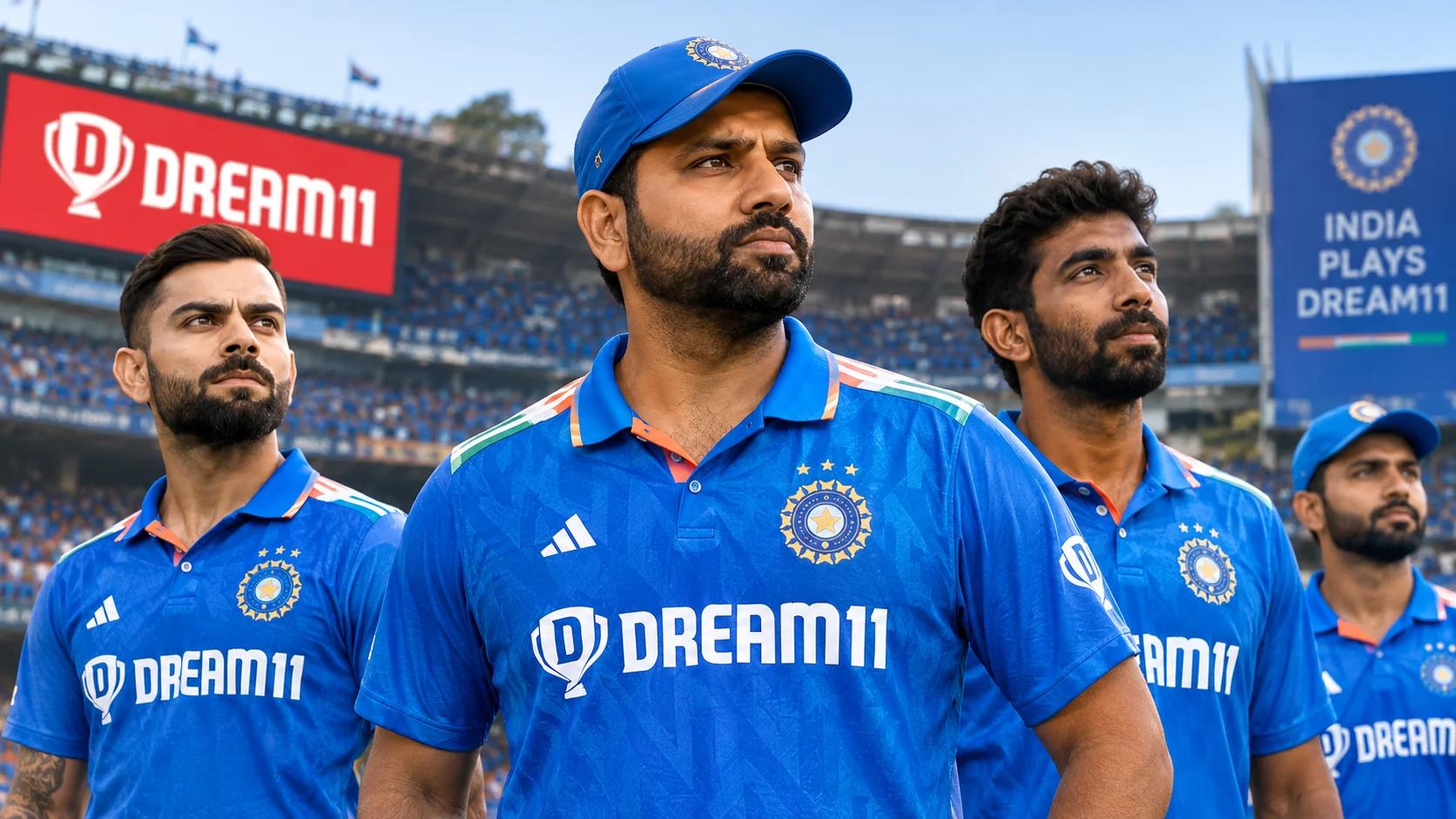
Dream11 used cricket sponsorships and advertising to build an audience. This case study separates Dream Sports’ FY25 results from the later suspension of paid contests and examines the shift to free-to-play products.
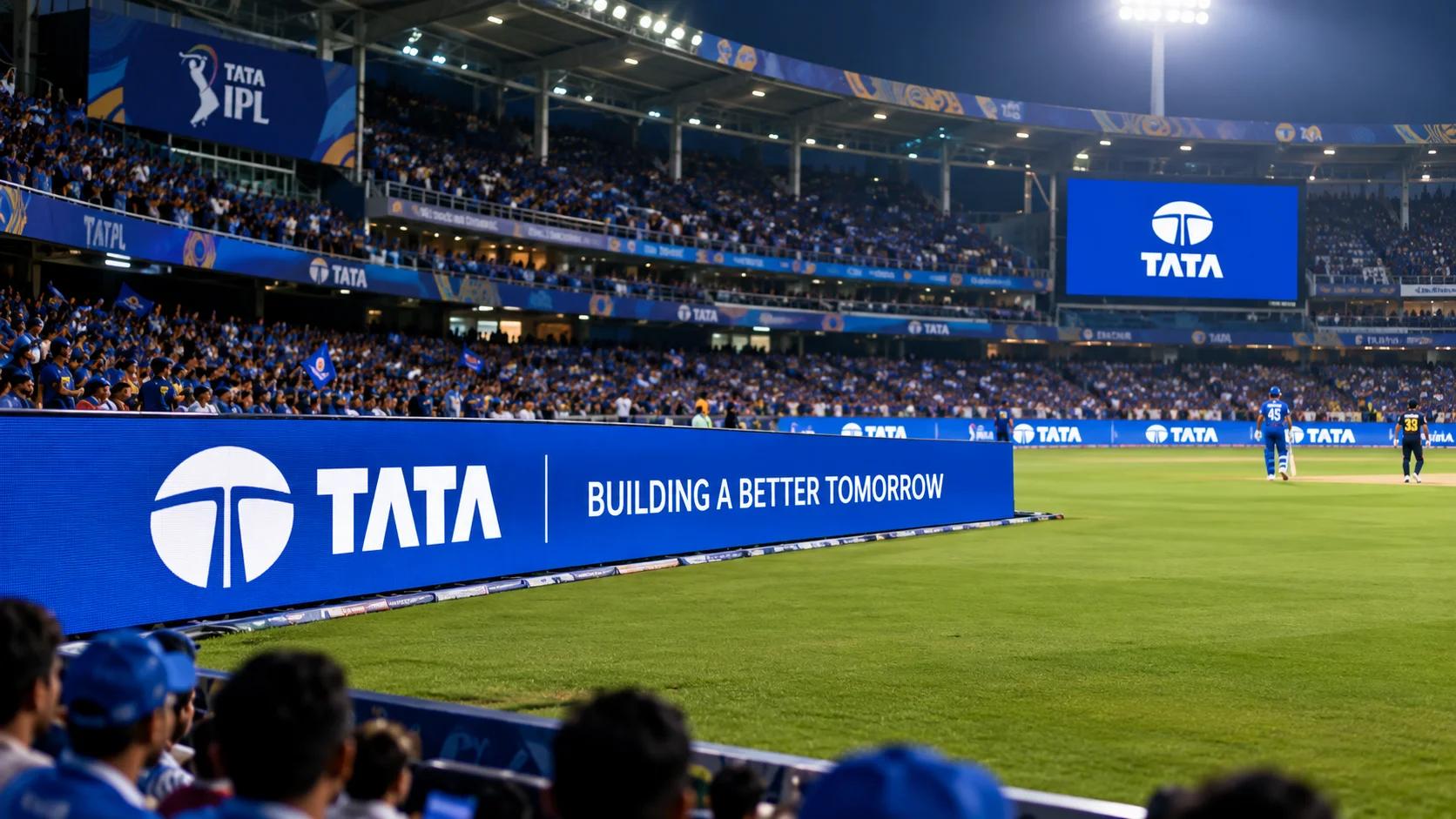
Tata spends less on advertising than its size suggests and still tops India’s brand rankings every year. The reason is a 30-year-old royalty agreement that turns 100-plus companies into one marketing budget. This case study shows how that model works, where the ₹2,500 crore IPL deal and Tata Neu fit, and what it has not fixed.
Tesla’s marketing is more than a claim about spending nothing on ads. Its changing approach reveals how publicity, education, referrals and sales work together.
A deeper analysis of Bournville’s “Don’t Rush It”: the language of permission, the psychology of savouring, premium positioning and the evidence needed to connect a memorable film with business results.
Explore how Spider-Man evolved from the early Sony films to Brand New Day, and what Marvel, Miles Morales and games reveal about building a lasting brand.
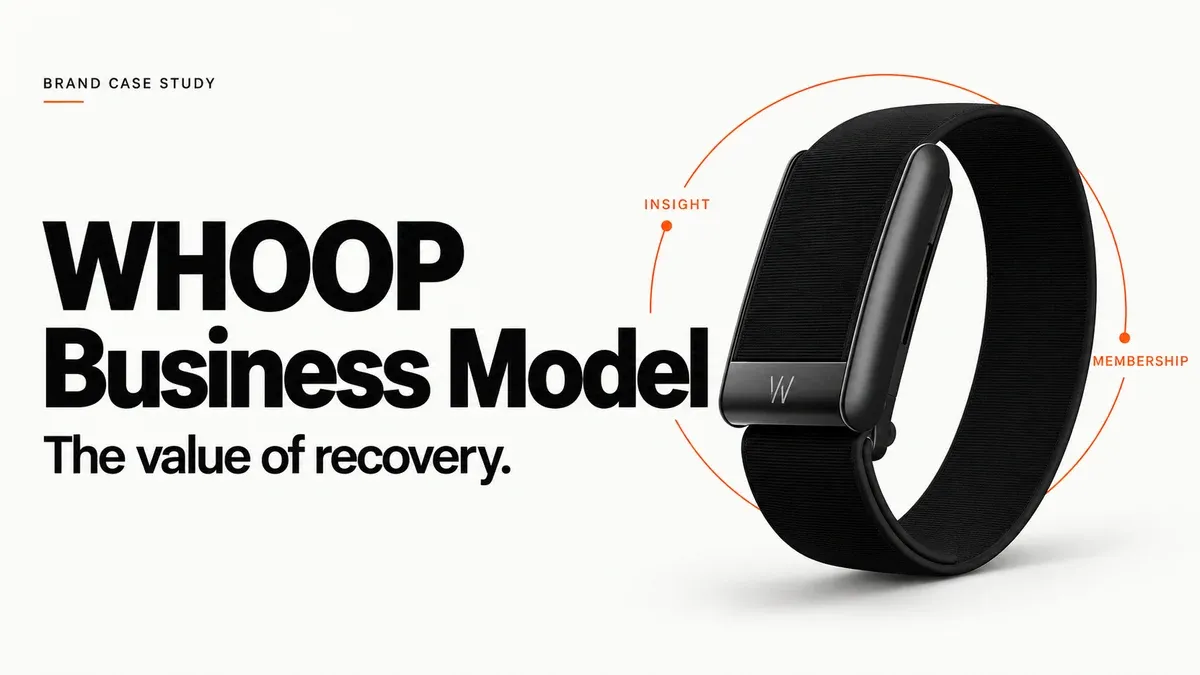
How WHOOP combines a screenless wearable, subscription pricing and athlete-led marketing, with practical lessons on recurring value and customer trust.