
Advora.media
Language

Opens Google Translate in a new tab. Automatic translations may contain errors.

Creative/ Insights

Why Brands Bring Back Old Ads: Nostalgia Marketing in India

Explore Pulsar, Cadbury and Britannia nostalgia campaigns, why familiar advertising returns, and how to revive a brand asset without recycling the past.

Real photograph of an orange vintage television beside Why brands bring back old ads.
A vintage television illustrates advertising nostalgia; it is not a photograph of an Indian campaign. Credit: Photo: Voyefex11, Enjoy antique television, Wikimedia Commons, CC0 1.0. Source: https://commons.wikimedia.org/wiki/File:Enjoy_antique_television.jpg. Licence: https://creativecommons.org/publicdomain/zero/1.0/. Cropped for editorial layout by Advora Media.

You recognise the scene before the product appears. A tune, a familiar character or a particular camera setup brings back an advertisement you have not thought about in years.

For a brand, that recognition is an opportunity. It can make a new campaign feel familiar before the audience has worked out what has changed. But it can also produce an expensive tribute that leaves people talking about the old advertisement rather than the current product.

The useful distinction is between repeating a memory and giving that memory a new job. Three Indian campaigns show different ways to attempt the latter.

What nostalgia marketing means in advertising

Nostalgia marketing uses references to the past to create a meaningful connection in the present. In advertising, those references might be an old campaign, a recognisable jingle, packaging, a character or a shared cultural moment.

Not every repeated brand asset is nostalgia. A logo used consistently on a pack is ordinary brand continuity. It becomes a nostalgic device when the creative deliberately invites people to remember an earlier experience.

Nor is familiarity proof of effectiveness. A campaign still needs to be understood, linked to the correct brand and relevant to what that brand is offering now.

Pulsar: turn the old advertisement into a sequel

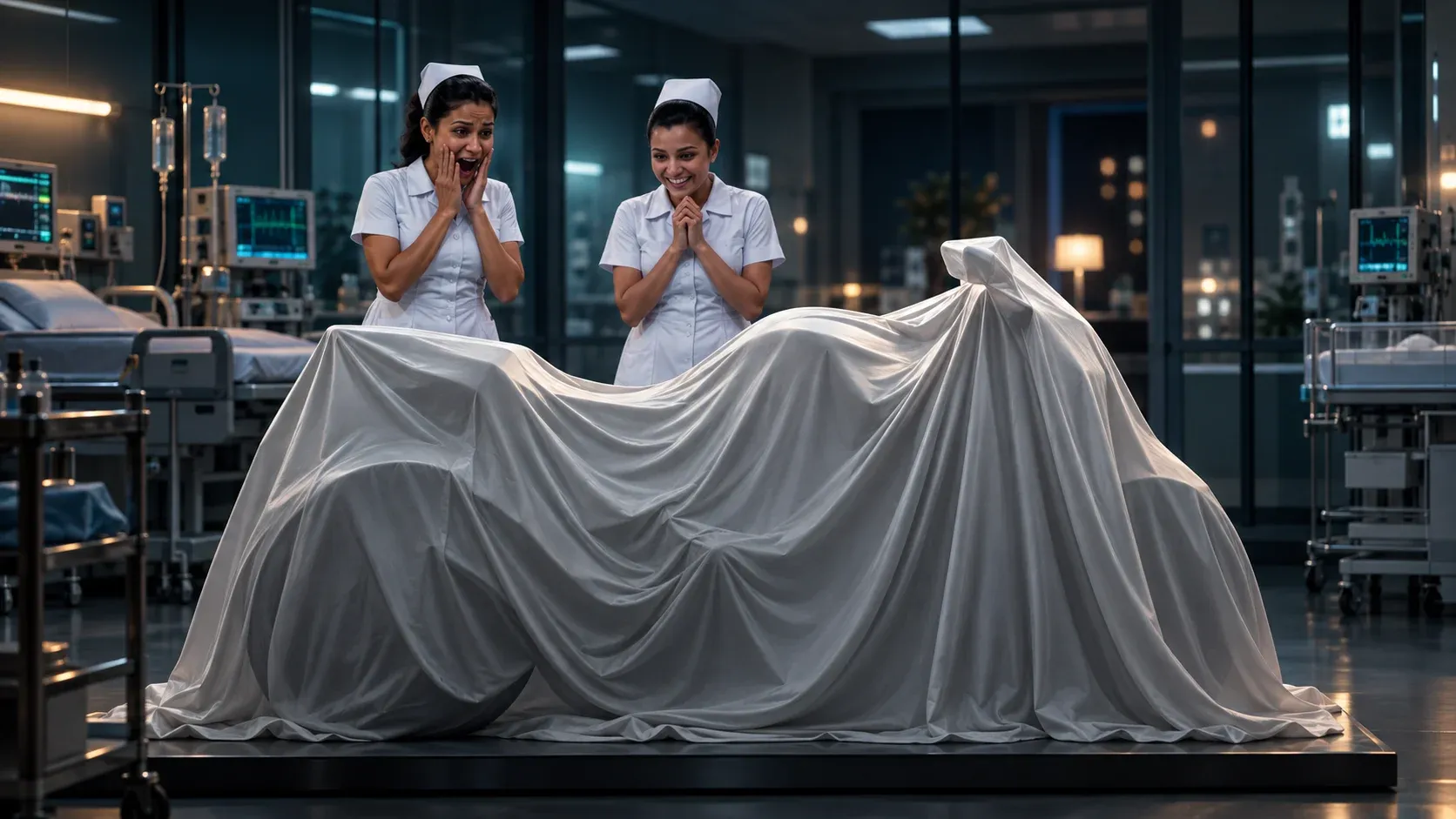
In September 2026, Bajaj Auto announced a Pulsar 150 film that revisits its 2001 launch advertisement. The company describes the return of the original nurse characters, a familiar setup and a new product reveal. Ogilvy developed the sequel. Source: Bajaj Auto’s campaign announcement.

The creative mechanism is anticipation. Viewers who recognise a setup can start predicting the ending. That gives a sequel something to work with: fulfil enough of the expectation to reward recognition, then introduce a reason to watch again.

The risk is making prior knowledge compulsory. A younger viewer who never saw the original still needs a coherent film. A sequel should offer an extra layer to people with the memory, without denying everyone else a story.

Our Pulsar campaign analysis examines the execution in more detail. The broader planning lesson is to identify what the audience remembers before deciding what to bring back.

Cadbury: keep the familiar scene, change its meaning

Cadbury and Ogilvy’s 2021 #GoodLuckGirls film revisited the brand’s cricket advertisement with the roles reversed: a woman scores the century and a man celebrates on the field. Ogilvy presents the reimagining as a celebration of girls’ achievements. Source: Ogilvy’s campaign case page.

This is a different use of memory. The returning scene helps make the change legible. People who know the earlier version can recognise both the continuity and the reversal.

For a creative team, that suggests a useful question: what can remain recognisable while the point of view moves forward? Sometimes the most valuable update is not a new camera treatment but a different answer to who gets to be the central character.

That does not mean every revival needs a social message. It means the change should have a reason that viewers can understand. Replacing old styling with contemporary styling is not, by itself, a new idea.

Britannia 50-50: bring the sound forward with the product

Britannia’s February 2026 Cheeze Dipped launch paired a crunch-versus-melt proposition with a refreshed version of its familiar jingle. The campaign featured Rishabh Pant and Jemimah Rodrigues and was developed by Mullen Lowe Lintas. Source: Britannia’s launch announcement.

Here, the old asset is a sound rather than an entire scene. The analytical distinction matters: a brand does not have to recreate a full advertisement to use its history. A short, distinctive cue can connect a different product story to an established identity.

The question is whether listeners connect the cue to the right brand. A well-liked tune that could belong to anyone is a weak foundation for this strategy.

Three approaches, three different creative jobs

Example

What returns

The planning lesson

Pulsar

Characters and a recognisable setup

Use recognition to create anticipation, while keeping the new story understandable

Cadbury

A familiar cricket celebration

Let a meaningful change in roles give an established scene a new point of view

Britannia 50-50

A familiar audio identity

Connect a new product proposition to a recognisable brand cue

These are observations about creative construction. The cited announcements do not establish comparable sales lift, incremental profit or return on advertising spend, so there is no defensible performance ranking here.
How to decide whether an old asset deserves a comeback

Start by showing the asset to people in the intended audience without identifying the brand. Ask what they recognise, which company they associate with it and what they remember it saying.

Then separate respondents who know the original from those who do not. That distinction can reveal whether a concept works broadly or mainly delights people already attached to the brand.

Next, test the present-day job. After viewing the new creative, can people describe the current product or message? If they only discuss their childhood, the nostalgic reference may be overpowering the commercial idea.

Use our brand asset audit guide to organise the initial inventory. The objective is to find recognisable assets, not simply old files the marketing department happens to like.

A practical brief for a revival campaign

  1. The memory: specify the scene, sound or character that the audience is expected to recognise.
  2. The audience: state who remembers it and who will encounter it for the first time.
  3. The current reason: identify the product, behaviour or point of view the new campaign needs to communicate.
  4. The change: explain what makes the execution more than a replay.
  5. The evidence: decide how correct brand attribution and message understanding will be tested.
  6. The rights: confirm permissions for reused footage, music, performances and adaptations with the relevant owners.

For example, imagine a fictional regional bakery reviving a long-used delivery bell in an advertisement for online ordering. The bell can introduce familiarity; the film must still explain the new ordering experience. The sound is a starting point, not the entire proposition.

When nostalgia is the wrong answer

A revival is weak when the target audience does not share the reference, the old association conflicts with the new positioning, or the product has nothing relevant to add.

It can also become an internal shortcut. “Everyone loved that campaign” is not a research finding when “everyone” means the people in the meeting. Test with the people expected to buy, including those unfamiliar with the brand’s history.

Advora’s perspective: familiarity should earn attention for something new

A brand’s archive can be a creative advantage when it contains recognisable ideas. The discipline is deciding which element deserves continuity and which element needs to change.

The comeback should leave the viewer with more than “I remember this.” It should also answer “Why is the brand showing it to me now?”

Frequently asked questions

Does nostalgia marketing work only with older audiences?

No. Younger audiences can enjoy a strong new execution without knowing the original. But do not assume they share the same memory; test whether the campaign works independently.

Can a new brand use nostalgia?

It can reference a familiar period or cultural experience, subject to appropriate rights and context. However, it cannot assume it owns the brand associations that an established advertiser has built.

Is repeating an old advertisement enough?

Sometimes a repeat may still communicate effectively, but it should be evaluated against the current objective. A revival needs a stronger reason than the fact that the old creative once attracted attention.

What should a nostalgia campaign measure?

Measure correct brand attribution, current-message understanding and the intended response. Compare familiar and unfamiliar audiences, and separate creative appreciation from evidence of incremental business impact.

Offline & OOH

Programmatic DOOH Moves Into the Omnichannel Buy, Panel Says

At the WOO Central European Forum, Broadsign and Google DV360 leaders argued that programmatic DOOH is shifting from a standalone awareness buy to part of the main omnichannel workflow. Here's what that changes for buyers.

Advora Editorial Team