The Pulsar Nurses Are Back: How a 25-Year-Old Ad Became 2026's Smartest Sequel
Ogilvy's new Pulsar 150 film resurrects the most famous maternity ward in Indian advertising. We break down the craft mechanics of the sequel ad, ask who the nostalgia is actually aimed at, and set the rules for when a brand has earned the right to make one.
Practicing marketers writing from live campaign experience across paid media, SEO, social and creator marketing.
7 min read◉— views
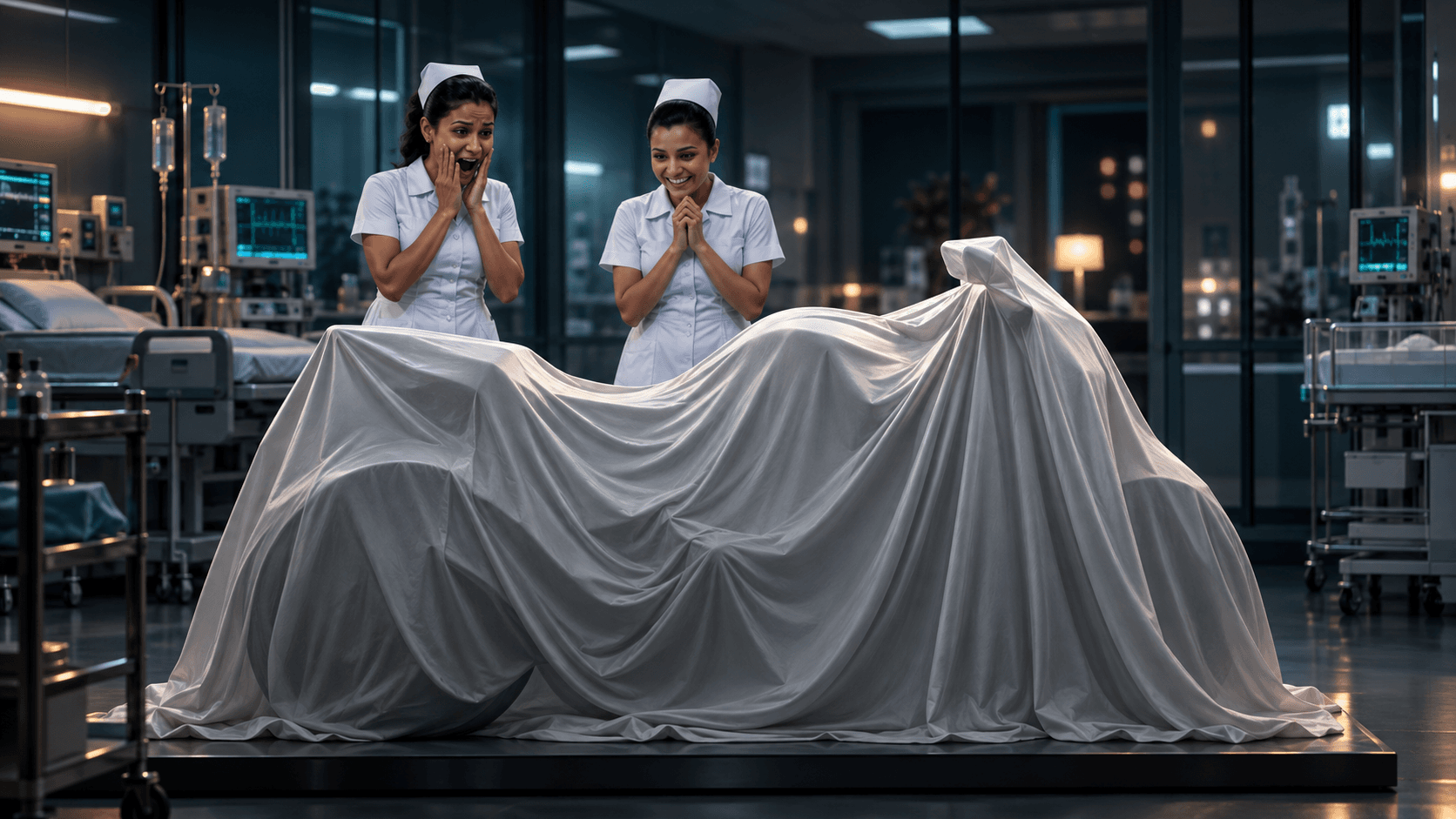
Twenty-five years after two nurses found a motorcycle in a maternity ward, Bajaj has sent them back for another look. The new Pulsar 150 film, made by Ogilvy India and released in mid-September, is a direct sequel to the 2001 launch commercial: the same characters, something familiar under a white sheet, a wave of deja vu, and a reveal that lands firmly in 2026. Even the punchline grew up: "It's a boy" is now "It's a bad boy". For anyone who writes, art-directs or approves advertising, this film is worth ten minutes of study, because the sequel ad is one of the hardest formats in the craft to get right, and this one mostly does.
Key points
Bajaj and Ogilvy released a direct sequel to Pulsar's 2001 launch film for the new Pulsar 150, bringing back the original two nurses and the white-sheet reveal
The campaign marks 25 years of Pulsar, which has now crossed 20 million motorcycles sold worldwide
The original 2001 film helped invent India's performance motorcycling segment at a time when bikes were sold on mileage, not attitude
The sequel's craft lesson: recognition cues and rhythm do the emotional work, while one twist updates the story; nostalgia is the hook, not the message
Why the original matters before the sequel makes sense
When Pulsar launched in November 2001, Indian motorcycle advertising sold mileage and reliability to family men. The launch film put a motorcycle in a maternity ward and declared it a newborn boy, and in one joke repositioned the entire category: bikes could be about attitude, not arithmetic. The brand line that followed, Definitely Male, became one of Indian advertising's most recognized platforms, and the category has never gone back to selling pure commuting since.
1. Recognition before information. The sequel opens on cues, not claims: the ward, the uniforms, the shape under the sheet. Nothing is explained, because the film trusts the audience's memory to do the exposition. That trust is the luxury only a genuinely famous original affords, and it buys the one thing every ad fights for: the first five seconds, pre-sold.
2. Rhythm is the real callback. Nayak's phrase "visual cues and rhythm" is precise. What audiences remember from a beloved ad is less the plot than the tempo: where the pause sits, when the reveal lands, how the joke breathes. The sequel retains the energy and tempo of the original so the deja vu happens in the viewer's body before their brain names the reference.
3. One twist, not ten. The discipline here is what most nostalgia work gets wrong. The film changes exactly one thing: boy becomes bad boy, and the product under the sheet is new. Everything else is preserved. Nostalgia collapses when a sequel updates the memory in five directions at once; it compounds when the update is singular and earned.
4. The product is the plot's payoff, not a cameo. The reveal IS the launch of the Pulsar 150. Compare that with nostalgia ads where the brand could be swapped out without the story noticing. Here the memory and the merchandise are structurally welded: you cannot retell the joke without naming the bike.
The deeper strategic point: this is brand-code thinking. The maternity ward, the sheet, the nurses are Pulsar's distinctive assets in the way a jingle or a mascot would be, and Bajaj is choosing to reinvest in codes it spent 25 years paying for rather than buying new ones. In a media environment where attention is auctioned by the second, owned memory is the cheapest reach there is.
Editor's note: Ask the uncomfortable question: who is this nostalgia for? The 2026 buyer of a 150cc motorcycle is largely in his early twenties, born after the original aired. He has no memory to trigger. Our read: the sequel is not really aimed at him; it is aimed at the culture around him. It manufactures earned media, gives the trade press and social feeds a story, and re-arms the brand's older admirers, including the fathers who still co-sign a young rider's first bike loan in much of India, to retell the legend on the brand's behalf. Judged as a direct-response film for 22-year-olds it would be a miss; judged as a cultural event that makes Pulsar feel like an institution the week a new 150 hits showrooms, it is money well spent. When you evaluate nostalgia work, first decide which of those two jobs it was hired for.
What creative teams can steal
Audit your brand's revivable assets. Most brands over five years old own at least one forgotten campaign, character, line or sound that audiences would recognize. List them before your next brief; reviving a paid-for memory is cheaper than building a new one.
Earn the sequel first. The format only works if the original is genuinely famous among the people you are reaching, or famous enough in culture that the retelling itself is the reach. A sequel to an ad nobody remembers is just a confusing ad.
Preserve rhythm, change one element. Storyboard the original's tempo beat by beat, keep it, and budget your novelty into a single twist that carries the new message.
Weld the product into the payoff. If the story works with the product removed, the nostalgia is decoration. Rewrite until the reveal and the product are the same moment.
Plan the retelling, not just the film. The asset's real distribution is people explaining the reference. Cut versions that make the explanation easy: side-by-side edits, then-vs-now stills, the original film re-released alongside.
The honest verdict
As craft, this is close to a masterclass in the sequel format: disciplined callbacks, preserved rhythm, one twist, product welded to payoff. Two caveats keep it from perfection. First, as Manifest Media's review noted, viewed through a gender lens the film feels out of step with a category that has quietly grown a meaningful population of women riders; resurrecting a Definitely Male era joke in 2026 preserves the memory and its blind spot together. Second, the film leans entirely on the reveal; there is no new reason-to-believe for the 150 itself beyond attitude, which the launch media around it will have to carry.
Editor's note: Our practical rule from watching nostalgia campaigns succeed and fail: nostalgia is a distribution strategy, not a message strategy. It buys attention, press and shares at a discount. What it cannot do is build preference for the product among people without the memory, so the surrounding campaign, the digital cutdowns, the dealer-level story, the performance layer, must sell the bike on its own terms. Brands that treat the nostalgic film as the whole campaign get a warm week of press and a flat quarter.
FAQ
What is the new Bajaj Pulsar ad? A sequel to Pulsar's 2001 launch film, made by Ogilvy India for the all-new Pulsar 150. The original two nurses return, find a familiar shape under a white sheet, and the reveal updates "It's a boy" to "It's a bad boy."
Why is the original 2001 Pulsar ad considered iconic? It repositioned Indian motorcycles from mileage-driven commuting to performance and attitude, helped create the sports motorcycling segment, and launched the Definitely Male brand platform.
Who made the new Pulsar 150 campaign? Ogilvy India, with Bajaj Auto marketing led by Sumeet Narang and Ogilvy's creative direction under Sukesh Nayak.
What is a sequel ad? A campaign that continues a brand's earlier famous commercial, reusing its characters, setting and rhythm so audience memory does the storytelling, while one new twist carries the current message.
When does a nostalgia or sequel ad make sense for a brand? When the original is genuinely famous among the target audience or in the surrounding culture, when the brand's codes are strong enough to be recognized instantly, and when the rest of the campaign can sell the product to audiences without the memory.
Flipkart opened festive season 2026 with a time-loop film and a cast spanning cricket, cinema and comedy. We break down the platform strategy behind Luck Badal Sakta Hai, why the timing matters more than the film, and what brand teams can take from it.
Meta rebuilt its ad delivery engine, and the old playbooks quietly stopped working. This guide covers how the Andromeda system decides who sees your ads, why creative is now your targeting, and how the Conversions API and qualified-lead signals separate cheap junk leads from real pipeline.