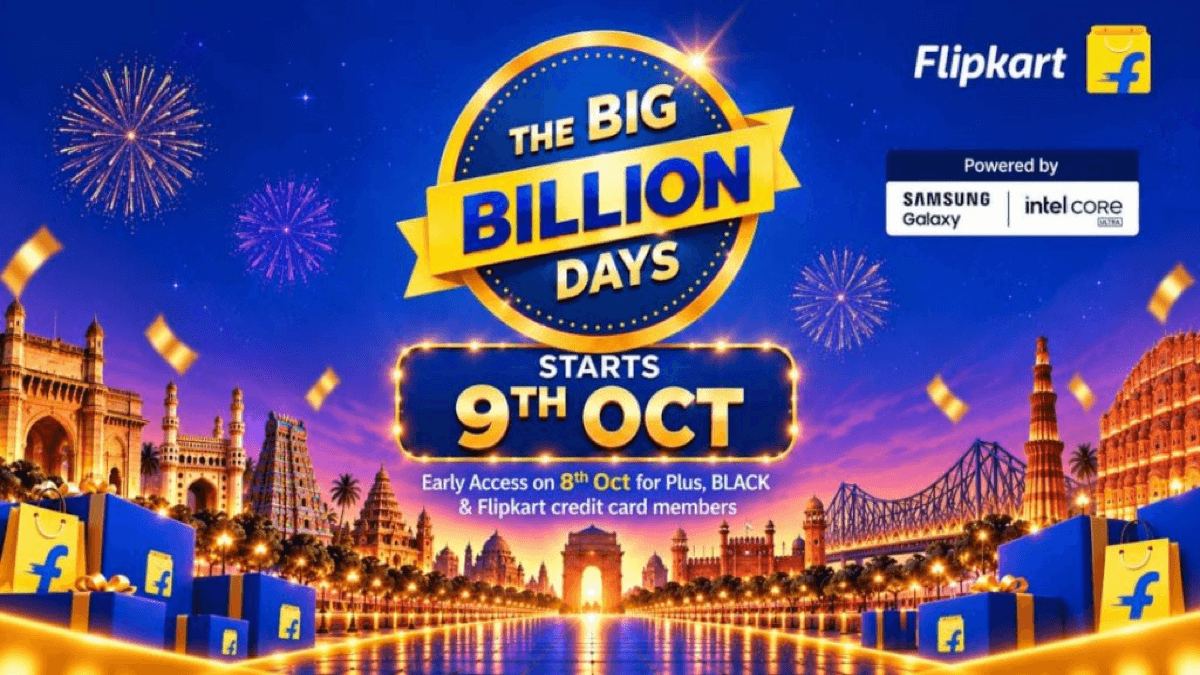
Flipkart opened India's biggest advertising season on 16 September with Luck Badal Sakta Hai, Yahan Kuch Bhi Ho Sakta Hai, the campaign for Big Billion Days 2026, ahead of early access opening on 8 October. The film, made by Leo Burnett, puts an ordinary young man in a time loop where his Flipkart purchases keep rewriting an unlucky day. It is a genuinely entertaining piece of festive advertising. The more interesting story for marketers is the strategy underneath it: a brand platform entering year two, a cast built like a media plan, and a launch date that says more about how festive shopping has changed than the film does.
Key points
- Flipkart launched its Big Billion Days 2026 campaign on 16 September; early access starts 8 October, giving the campaign a three-week runway before the sale
- The film stars Rohit Sharma, Sreeleela, Aneet Padda, Jackie Shroff and Samay Raina, and was conceptualised by Leo Burnett
- The line evolves last year's platform rather than replacing it: Yahan Kuch Bhi Ho Sakta Hai stays as the umbrella, Luck Badal Sakta Hai is this year's twist
- The timing reflects the season's big shift: with most festive shoppers now researching weeks before sales open, the launch targets the decision window, not the sale date
What the campaign is
The film follows a young man reliving the same ill-fated day on loop. Each replay, purchases made during Big Billion Days change the course of his encounters, turning misfortune into luck. The celebrity cast appears across the loop's iterations rather than fronting the ad in the usual endorsement format.
Flipkart's marketing head Pratik Shetty framed it as a deliberate step forward from 2025: last year captured unexpected moments; this year explores those moments actually changing your luck. That one sentence tells you Flipkart is thinking in platforms, not annual one-offs, and it is the first thing worth stealing.
The strategy read: four choices that matter more than the film
1. Platform thinking beats annual reinvention. Most Indian festive advertising resets its idea every year, burning the previous year's brand memory. Flipkart is compounding instead: Yahan Kuch Bhi Ho Sakta Hai is now the standing platform, and each season adds a twist on top. Year-two recognition means the first five seconds of any asset do less introduction work, which matters enormously in a skippable, three-second-decision media environment.
2. The cast is a media plan wearing makeup. Look at who is in the film: Rohit Sharma (cricket mass reach), Sreeleela (South film audiences), Aneet Padda (young Bollywood-adjacent audiences), Jackie Shroff (nostalgia and meme culture), Samay Raina (youth internet and comedy). That is not celebrity endorsement; that is audience segmentation cast as characters. Each name gives cutdowns a natural home in a different content ecosystem, which is exactly how a single film becomes a hundred pieces of targeted media.
3. The time-loop is a repetition engine. As BW Marketing World's review noted, the loop gives the film a narrative spine most sale ads lack. It also does something more practical: the structure lets the same purchase moment repeat with variations, which is frequency built into the creative itself. The mechanic is inherently cuttable into 6, 15 and 30 second versions without losing the idea.
4. The launch date is the strategy. Three weeks of daylight between campaign and sale used to be unthinkable in festive retail. But seven in ten festive shoppers now start researching before sales open, and this season's industry playbooks are all arguing that the battle has shifted from media bursts to consumer decision windows. Flipkart launching on 16 September for an 8 October sale is a bet on owning the consideration window: get into wishlists and mental shortlists while competitors wait for the sale week. With festive AdEx projected around ₹60,000 crore this year, the brands that move early buy attention before the auction gets crowded and expensive.
Editor's note: The launch-date choice is the part of this campaign most advertisers will underrate and the part worth copying first. In performance accounts, the pattern every festive season is the same: brands that begin building audiences and wishlists in the consideration window pay meaningfully less for their conversion traffic in sale week than brands that arrive cold, because they are remarketing to warm pools while everyone else fights the most expensive auctions of the year for cold reach. [EDITOR: add our observed range here, e.g. "across our retail accounts, sale-week CPMs typically run X to Y% above the pre-festive baseline", or delete this sentence.] The film gets the press coverage; the calendar is the actual advantage.