Advora.media
Language

Opens Google Translate in a new tab. Automatic translations may contain errors.

Creator Economy/ Case study

Justin Bieber’s YouTube Return: Why Seasons Went Beyond the Songs

Why did Justin Bieber return to YouTube with Seasons? Explore the documentary’s storytelling and lessons for behind-the-scenes brand content.

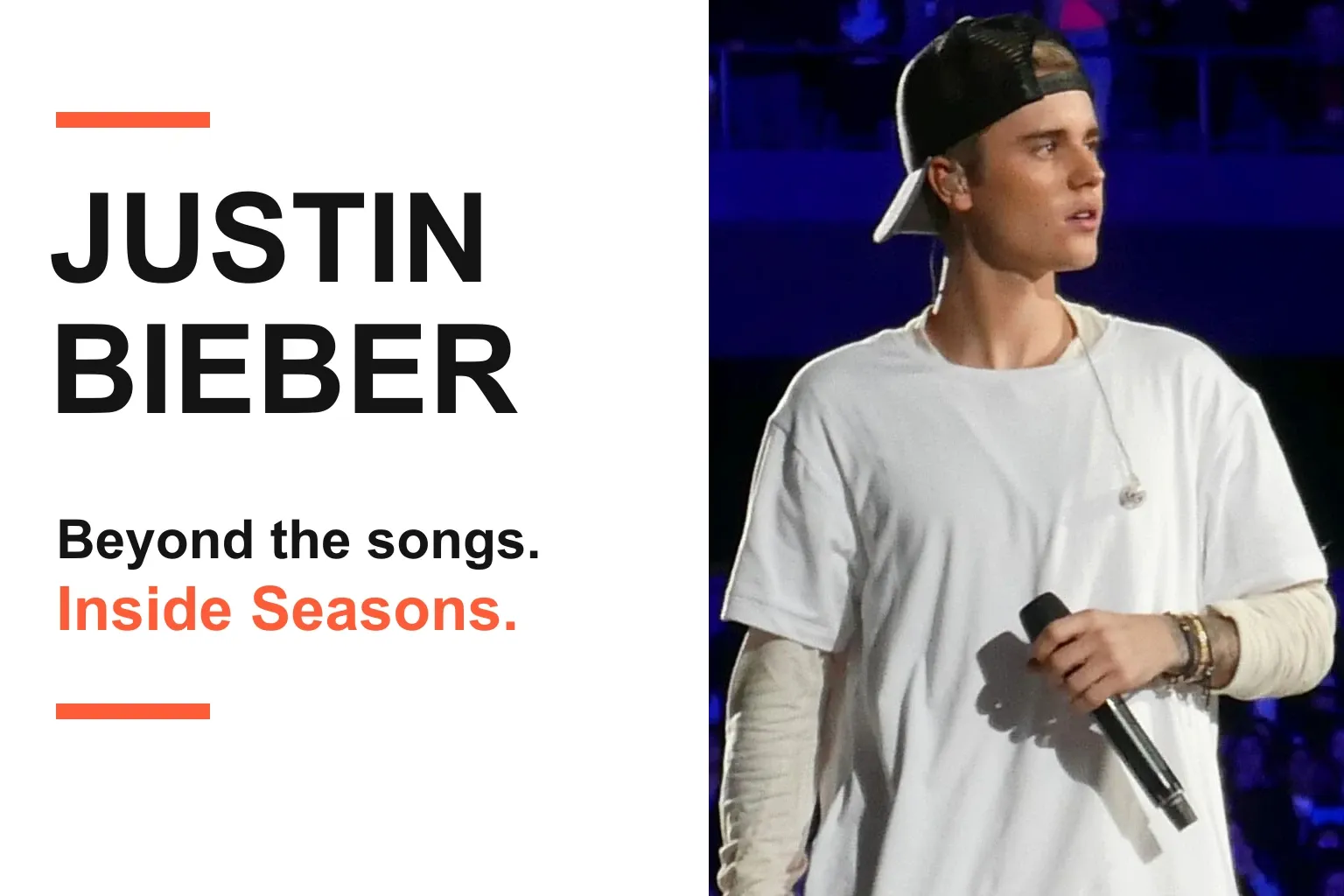
Justin Bieber holding a microphone beside the headline Beyond the songs. Inside Seasons.
Archival 2015 photograph, cropped and placed alongside editorial typography. The subject photograph has not been AI-altered. Credit: Lou Stejskal | CC BY 2.0 | https://creativecommons.org/licenses/by/2.0/ | https://commons.wikimedia.org/wiki/File:Justin_Bieber_in_2015.jpg

A music video shows the finished performance. A documentary can ask what it took to get there.

Justin Bieber’s YouTube series Seasons chose that second path. It gave viewers a different reason to visit an artist’s channel: to follow the people, decisions and experiences surrounding the music.

For a brand or creator, that is the interesting part. An audience may know the product very well while knowing little about the work behind it.

A return to the platform associated with his discovery

When Seasons was announced, TheWrap described it as a return to the platform where Bieber had been discovered in 2007. The ten-episode series premiered on 27 January 2020, with episodes released free with advertising on a regular schedule. TheWrap’s announcement report

That history gives the project a natural narrative connection. YouTube was part of the public story of his arrival, and it became the place where he presented a later chapter.

The point is not that every business needs a documentary. It is that an established audience can be interested in more than the next finished release.

What Seasons added to the channel

Producer OBB Media describes Seasons as an in-depth look at Bieber’s life as he returned to music amid personal difficulties. It reports that the premiere attracted more than 32.65 million views in its first week, a YouTube Originals premiere record at the time. This is the producer’s reported performance, not a fresh independent audit. OBB Media’s project account

The series structure allowed different parts of a larger story to have their own space. For viewers, that can be more useful than asking one promotional video to introduce an album, explain a creative process and address years of public curiosity simultaneously.

A regular release schedule also makes a series easy to follow. It gives an interested viewer a clear answer to a simple question: when does the next part arrive?

The constructive human element

Later in 2020, Bieber published Next Chapter on his official channel. Its listed chapters include friendships, new music, looking back and looking forward. The official description presents it as a continuation of the earlier documentary story. Watch the official Next Chapter documentary

These subjects create room to acknowledge relationships and collaboration around a public career. That is a positive editorial angle without needing to claim the film changed every fan’s opinion.

It also sets a boundary for brands borrowing the approach. Personal disclosure should remain the subject’s choice. A company does not need to expose an employee’s private struggles to make a compelling behind-the-scenes film.

A practical lesson for business channels

Imagine a brand launching a new product. Alongside the launch film, it could publish a short series explaining the initial customer problem, an unsuccessful prototype and the reasoning behind the final design.

Each episode would need its own useful question. The content should help viewers understand something they could not learn from the sales page.

Bieber’s example suggests an editorial opportunity: a finished product can attract attention, while the process around it can give interested people more to explore. It does not prove that documentary views automatically become sales or loyalty.

Questions readers ask

What is Justin Bieber: Seasons?

It is a ten-episode YouTube documentary series released in 2020, following his return to music and aspects of his life around that period.

Is Next Chapter the same series?

It is a later documentary presented on his official channel as a continuation of that story.

Can a small brand use this approach?

Yes. A useful process story can be short and inexpensive. The essential ingredient is access to a meaningful decision or piece of work, with the people involved agreeing to participate.

Advora’s editorial view

The strongest behind-the-scenes content answers a real question. It shows the people and choices behind something an audience already cares about. That is what makes this YouTube case worth studying beyond celebrity scale.

Explore more creator stories

Continue with MrBeast’s YouTube Playbook: Turning Viewers into a Movement and Ed Sheeran on YouTube: The Small Performance Behind a Big Story.

Featured image: Lou Stejskal. Source photograph. CC BY 2.0. Archival 2015 photograph, cropped and placed alongside editorial typography. The subject photograph has not been AI-altered.

Creator Economy

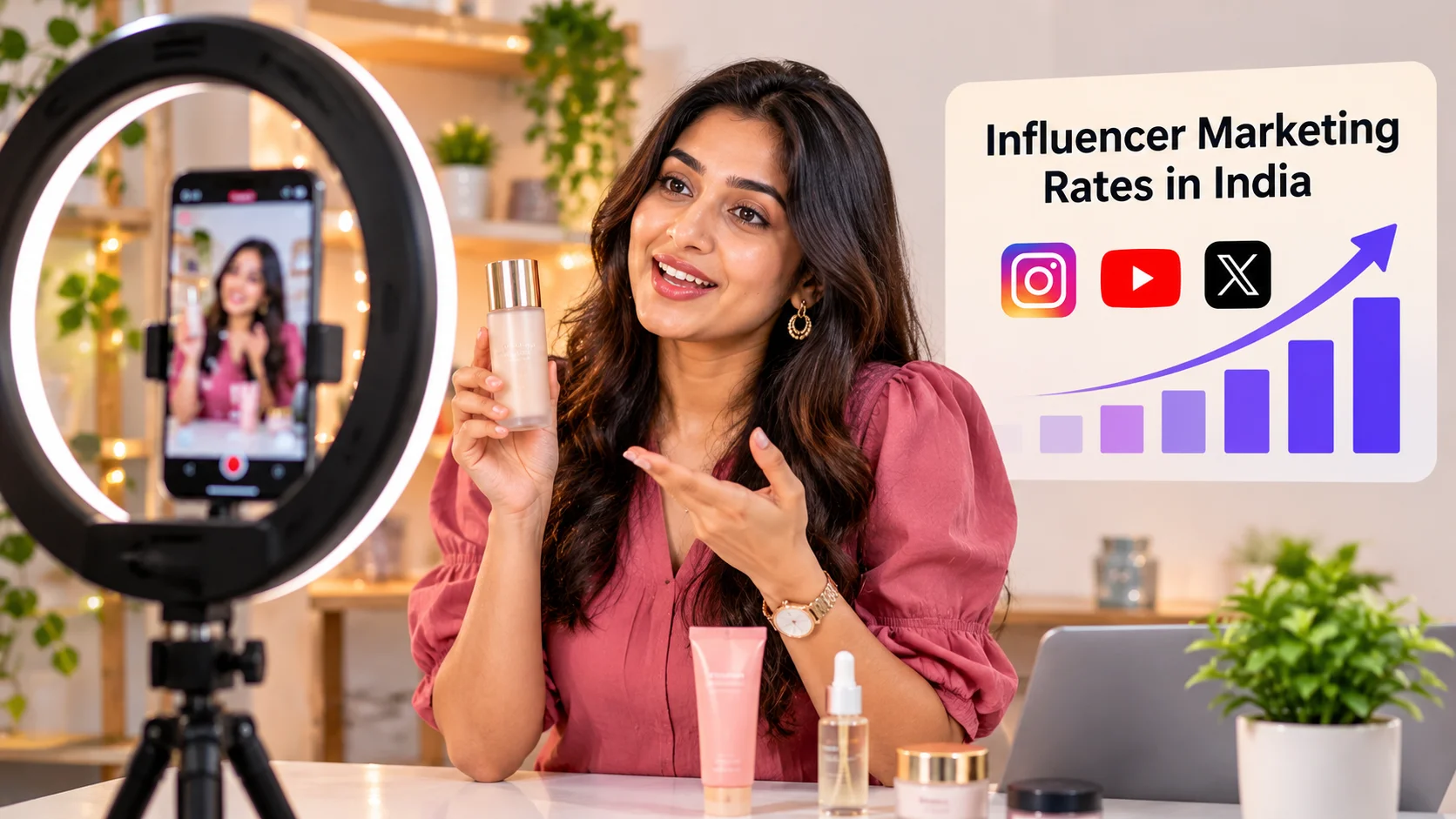
Influencer Rate Card India 2026: What Creators Charge by Follower Tier

An Instagram Reel from an Indian nano creator costs about ₹1,000 to ₹12,000 in 2026, a micro creator ₹8,000 to ₹80,000, a macro creator ₹2 lakh to ₹8 lakh, and a celebrity-scale account ₹6 lakh to ₹25 lakh or more. This guide gives the 2026 rate card by tier and format, what moves a creator’s price, the tax and disclosure rules, and three worked budgets.

Advora Editorial Team